)
)
Building successful healthy food brands: Insights from Women in the Food Industry
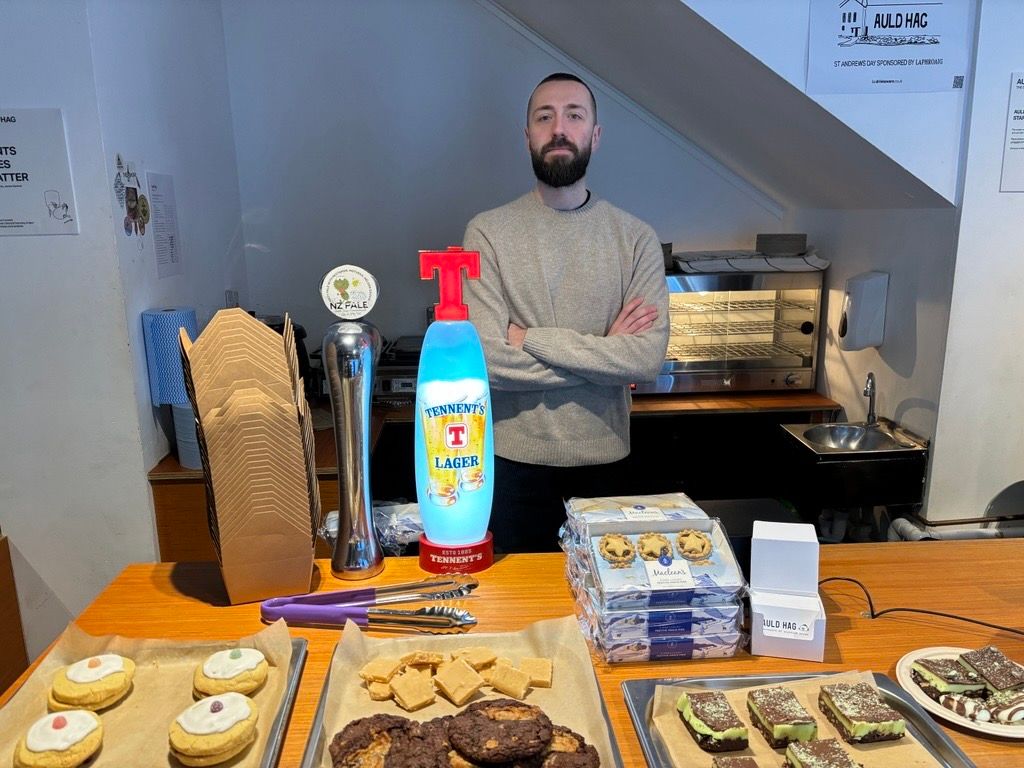
Women in the Food Industry brought together founders and retail experts for an Organic September event exploring what it takes to build a successful healthy food brand in an increasingly competitive market.
The panel featured Elin Roberts, Co-Founder of Better Nature; Julianne Ponan MBE, Founder of Creative Nature; Tara Taylor, Founder of Good Grain Bakery; and Jade Hoai, Executive Leader of Purchasing at Whole Foods Market.
Across an evening of candid founder stories and consumer insights, the speakers discussed the realities of growing a start-up, the tension between purpose and profitability, and the importance of staying true to the mission behind a brand.
Start with a clear purpose
For founders entering the health, organic or free-from categories, the panel’s advice was clear: trying to meet every possible consumer need can weaken rather than strengthen a proposition.
Roberts cautioned brands against attempting to make a product “tick every box”, explaining that this risks confusing consumers. Instead, founders should understand precisely what their product stands for and ensure that every element of the brand reinforces that positioning.
“The packaging you use should be deeply rooted in your proposition,” she said.
Hoai encouraged entrepreneurs to begin with a fundamental question: “What’s the product you’re trying to solve?”
With buyers reviewing a constant stream of potential new listings, a strong proposition needs to be communicated quickly. According to Hoai, “you’ve got 15 seconds to catch a buyer’s eye”.
Roberts added that founders also need to understand the commercial context surrounding a potential listing, asking: “What are [buyers] swapping out to swap you in [on the shelf]?”
Follow the mission, not every trend
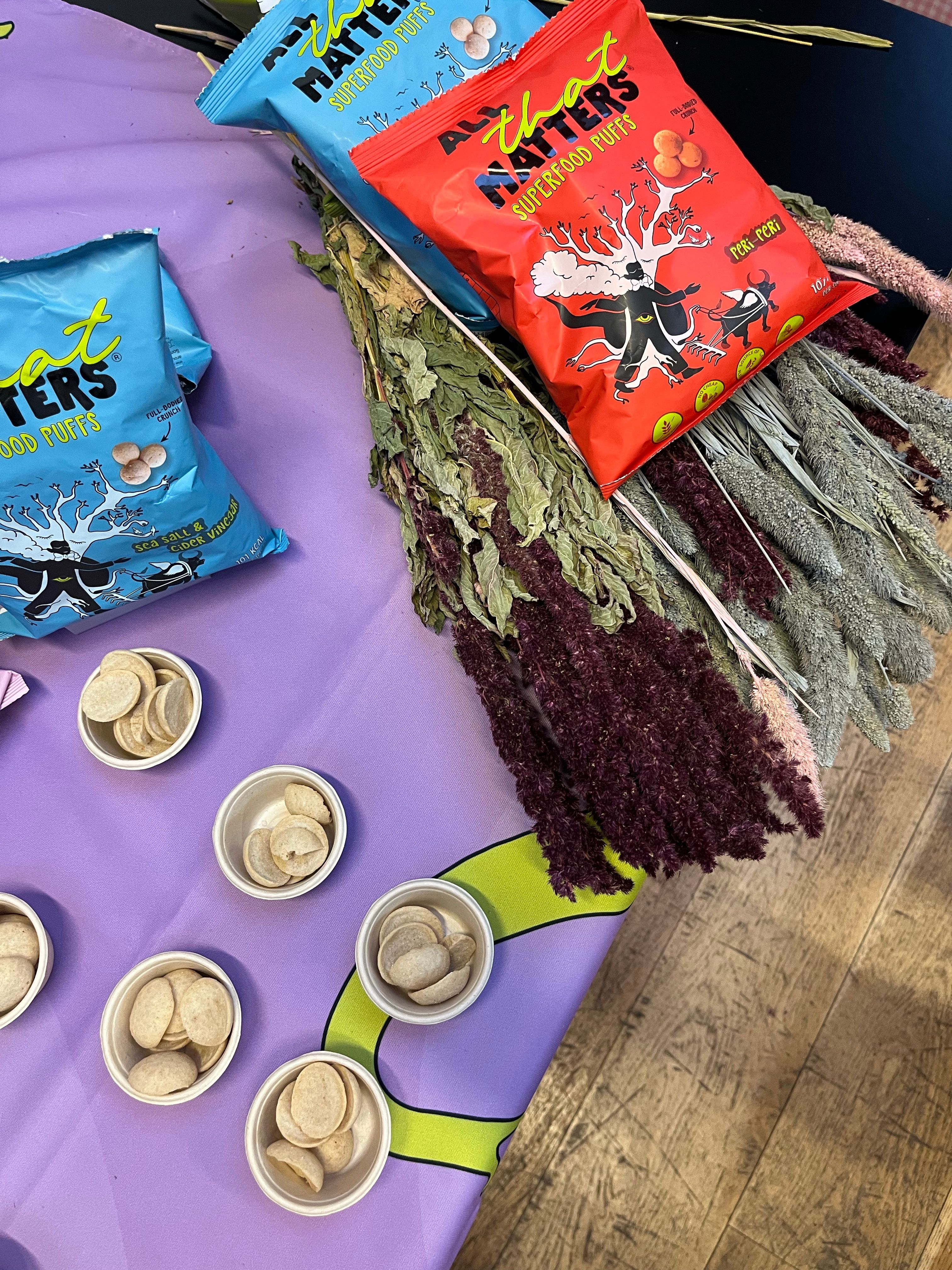
Health and wellness is a fast-moving market, with new ingredients, formats and consumer priorities emerging regularly. Taylor advised founders to focus on the trends that genuinely align with their values rather than changing direction whenever something new gains attention.
“There’s always a trend, you’ve just got to go with what resonates with you as a founder…because that’s what’s going to give your brand longevity,” she said.
Roberts highlighted fermentation as one category with significant potential. “I do feel like we’re quite early on in that growth,” she commented, suggesting that consumer interest will continue to increase while there remains space for the category to develop.
Gut health is also becoming a more accessible topic for shoppers. “People are totally ready to talk about gut health,” Hoai said.
Understanding the changing free-from consumer
The discussion also examined the evolution of the free-from category. Once viewed primarily through the lens of allergies and intolerances, it is increasingly becoming a broader lifestyle destination within supermarkets.
Ponan welcomed the expansion of the market but expressed concern that allergens are not always being treated with sufficient seriousness. For consumers with allergies, precautionary “may contain” labelling does not offer the reassurance they need. They require a clear guarantee that a product is safe for them.
This presents a challenge for founders: brands must engage with the growing lifestyle audience without losing sight of consumers for whom free-from products are a necessity rather than a choice.
Roberts also stressed the importance of establishing whether a genuine audience exists before launching into a niche health or free-from category. Passion for a product matters, but founders must be confident that there are enough people who understand its purpose and care about what it offers.
What catches a buyer’s attention?
Offering the retail perspective, Hoai explained that product quality is only one element of a successful buyer pitch. Asked what makes a product stand out, she highlighted: “The taste…the founder, having the right energy and a clear mission.”
She also pointed to encouraging signs for the organic market. “There are definitely customer inclinations to spending money on organic foods,” she said, noting that Whole Foods Market shoppers may, for example, be more likely to choose organic chicken over a conventional alternative.
Securing time with a buyer remains a valuable opportunity for an emerging brand. “When you get those 15 minutes with a buyer…that is golden,” Hoai said.
However, the relationship should not end once a product is listed. She encouraged founders to communicate openly with retail partners, adding: “Don’t be afraid to talk to your buyer if you need help.”
Ponan similarly urged founders to build their networks and put their products in front of the industry, telling them to “get out there, go to the shows”.
Taking healthy products into hospitality
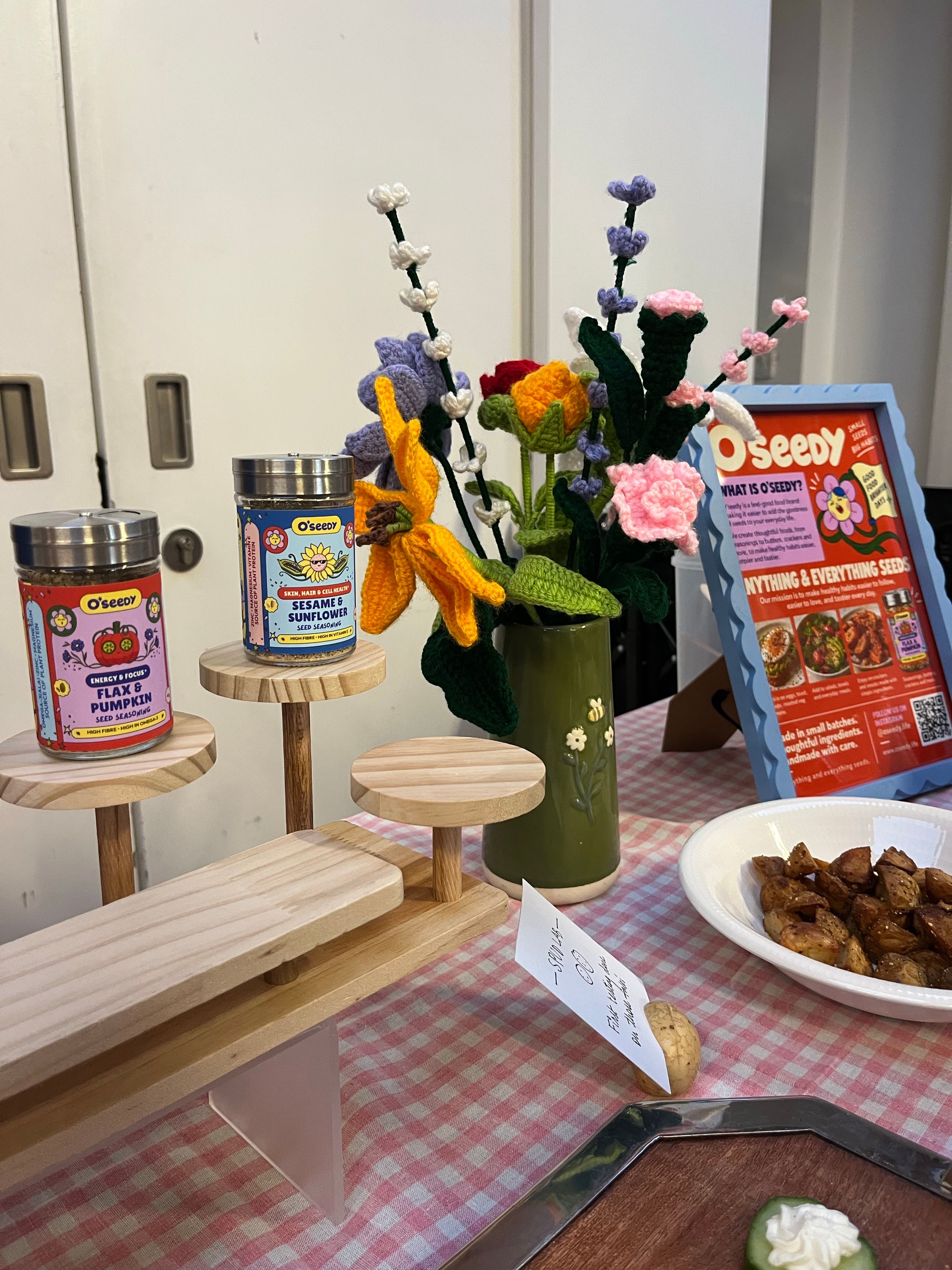
The opportunity for healthy, organic and free-from brands extends beyond retail. Taylor argued that consumers should be able to enjoy the same quality and choice when eating out as they do at home.
“You should be able to have that same loaf you have at home at a restaurant,” she said.
As awareness and expectations grow, hospitality businesses have an opportunity to offer products that reflect the dietary needs and lifestyle preferences already shaping purchasing decisions in supermarkets.
The event demonstrated that building a successful healthy food brand requires resilience, commercial awareness and a proposition consumers can understand immediately. Trends may create opportunities, but long-term success comes from a clear mission, an engaged audience and founders who continue to believe in the problem their product was created to address.
The Women in the Food Industry Awards are now open, celebrating the achievements of women working across every part of the food sector. Follow Women in the Food Industry on social media for further information and details of how to enter.
Keep up to date with all the latest news, interviews and industry trends by subscribing to the Speciality & Fine Food Fair newsletter.
)
)
)
)
)
)
)
)
)
)
)
)
)
)
)
)
)
)