Seaweed: bringing coastal flavour to the speciality food shelf
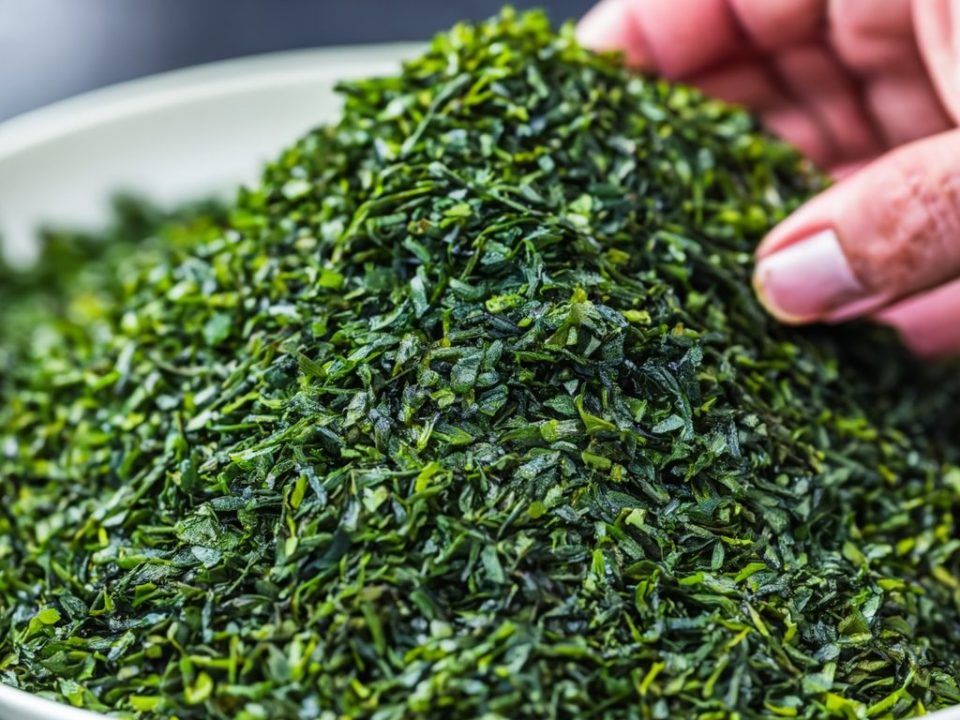
From Scottish seaweed butter to crispy snacks, seaweed offers plenty for speciality food buyers to explore. Its savoury depth, nutritional interest and potential for low-input cultivation make it a compelling ingredient, while producers are finding approachable ways to introduce it to everyday eating.
Two businesses exhibiting at Speciality & Fine Food Fair, part of Food, Drink & Hospitality Week, on 5-7 April 2027 at Excel London, demonstrate different sides of that opportunity. Selkie Seaweed puts Scottish coastal provenance into gourmet ingredients and foods, while Seaweed Rocks! brings seaweed to the snack shelf.
Seaweed already has a place in food traditions ranging from Japanese sushi to Welsh laverbread. The opportunity for speciality retailers is to help customers discover more of its possibilities, whether as a seasoning, a cooking ingredient or something to enjoy straight from the packet.
Familiar formats offer a useful starting point. A flavoured butter gives shoppers an immediate idea of how to use an ingredient; a ready-to-eat snack makes trying it straightforward. Both approaches create opportunities to introduce different flavours without asking customers to learn an entirely new way of cooking.
Selkie Seaweed: Scottish provenance meets everyday flavour
Selkie Seaweed is the consumer brand of Seaweed Farming Scotland, a family-run enterprise cultivating rope-grown seaweed off Scotland’s west coast. The business grows varieties including wakame, kombu, dulse and sugar kelp, with hand-harvesting taking place in spring.
Its range shows how seaweed can work across several speciality food categories. Products include seaweed and salt, developed with Blackthorn Scottish Sea Salt, seaweed and cracked black pepper, two trail mixes, and a seaweed butter created with Glasgow’s Wee Knob of Butter.
Flavour is central to the proposition. Seaweed contains naturally occurring glutamate, which contributes umami: the savoury quality that can add depth to dishes. Selkie highlights this flavour-enhancing role, offering a useful starting point for retailers explaining how customers might cook with its products.
The appeal combines a distinctive Scottish origin with practical uses. Sampling a seaweed butter or suggesting a seasoning alongside vegetables, eggs or potatoes could help turn curiosity into a purchase.
Seaweed Rocks!: making discovery snackable
Seaweed Rocks! takes a different route, with crispy seaweed snacks in four flavours: Sea Salt, Avocado Oil, Teriyaki and Wasabi. The brand describes its range as plant-based and vegan, with options spanning simple seasoning, sweet and savoury flavours, and a little heat.
Its serving suggestions extend beyond snacking. The seaweed can be crumbled over rice, salads, noodles and soups, or used for sushi, wraps and small bites. That versatility gives retailers several ways to introduce the range, from the snack fixture to displays built around meal ingredients.
The retail lesson is straightforward: show customers what the product tastes like and where it fits into their day. Crunch, seasoning and convenience provide an accessible introduction to an ingredient some shoppers may otherwise associate mainly with sushi.
Nutritional interest, with attention to detail
Seaweed’s nutritional composition is another reason to explore it. The Scottish Association for Marine Science highlights its minerals and amino acids, including iodine and calcium. However, the nutritional contribution of a finished food depends on the seaweed used, the recipe and the portion eaten.
Iodine deserves particular care. The British Dietetic Association explains that iodine levels vary considerably between seaweeds and can be especially high in kelp. More is not always better: excessive intake can be harmful. For buyers, clear product information and serving guidance are more useful than broad “superfood” descriptions.
A different approach to food production
Seaweed also offers an interesting environmental story. According to WWF, growing it does not require agricultural land, freshwater irrigation, feed, fertiliser or pesticides. It can also absorb excess nutrients from seawater, and responsibly developed seaweed farming has potential to support healthier marine environments.
Those cultivation benefits give buyers worthwhile questions to explore with suppliers: where the seaweed comes from, how it is grown or harvested, and how it reaches the finished product. Specific information helps retailers communicate the story confidently.
For speciality food retailers, seaweed brings together distinctive flavour, coastal provenance and scope for product innovation. Selkie Seaweed and Seaweed Rocks! demonstrate how differently that potential can be expressed, from gourmet seasonings and butter to ready-to-eat snacks.
With the 2027 theme of ‘Powered by Ideas’, Speciality & Fine Food Fair offers buyers the opportunity to meet both exhibitors and explore how seaweed could bring something fresh to their shelves.