)
)
)
One year to go: how independent businesses can prepare for the Deposit Return Scheme
The UK is almost one year away from the planned launch of its deposit return scheme (DRS). For independent drinks producers and retailers, now is the time to understand whether the scheme applies to their business and begin practical preparations.
From 1 October 2027, customers will pay a refundable deposit when buying certain drinks in single-use containers. The scheme will cover containers made wholly or mainly from aluminium, steel or PET plastic, with a capacity between 150ml and three litres.
HDPE containers, such as most plastic milk bottles, are excluded, as are containers used for liquid medicines and products such as drink syrups and flavour enhancers.
Exchange for Change has been appointed to operate DRS across all four UK nations. However, some differences will remain. Wales plans to include glass, although glass containers will not carry a deposit or require scheme labelling until October 2031. Businesses selling across several nations should check the requirements for each market.
What producers need to know
DRS producer responsibilities generally apply to drinks manufacturers and brand owners, importers and businesses that fill and seal drinks containers to order.
Under the guidance for England and Northern Ireland, producers will need to register with Exchange for Change, apply the deposit, meet labelling requirements and report the number of eligible containers they place on the market.
Existing barcodes on products entering the scheme will need to change and be registered. Producers should treat this as part of a wider project covering packaging artwork, printing, product data, production schedules, retail systems and the management of existing stock.
Speciality producers should also note the exemption for low-volume product lines in England and Northern Ireland. Product lines selling fewer than 5,000 units per year will not need to carry the deposit or scheme labelling, or incur producer fees. However, producers must still register and report the number of containers placed on the market.
Producer fees, which are separate from the refundable consumer deposit, will be zero for the first 15 months. From January 2029, they are currently expected to be 0.6p per aluminium or steel container and 2.3p per PET plastic container. These figures will be reviewed and reconfirmed in May 2027.
What independent retailers should consider
Retailers must pay the deposit when purchasing eligible drinks and charge it to customers at the point of sale.
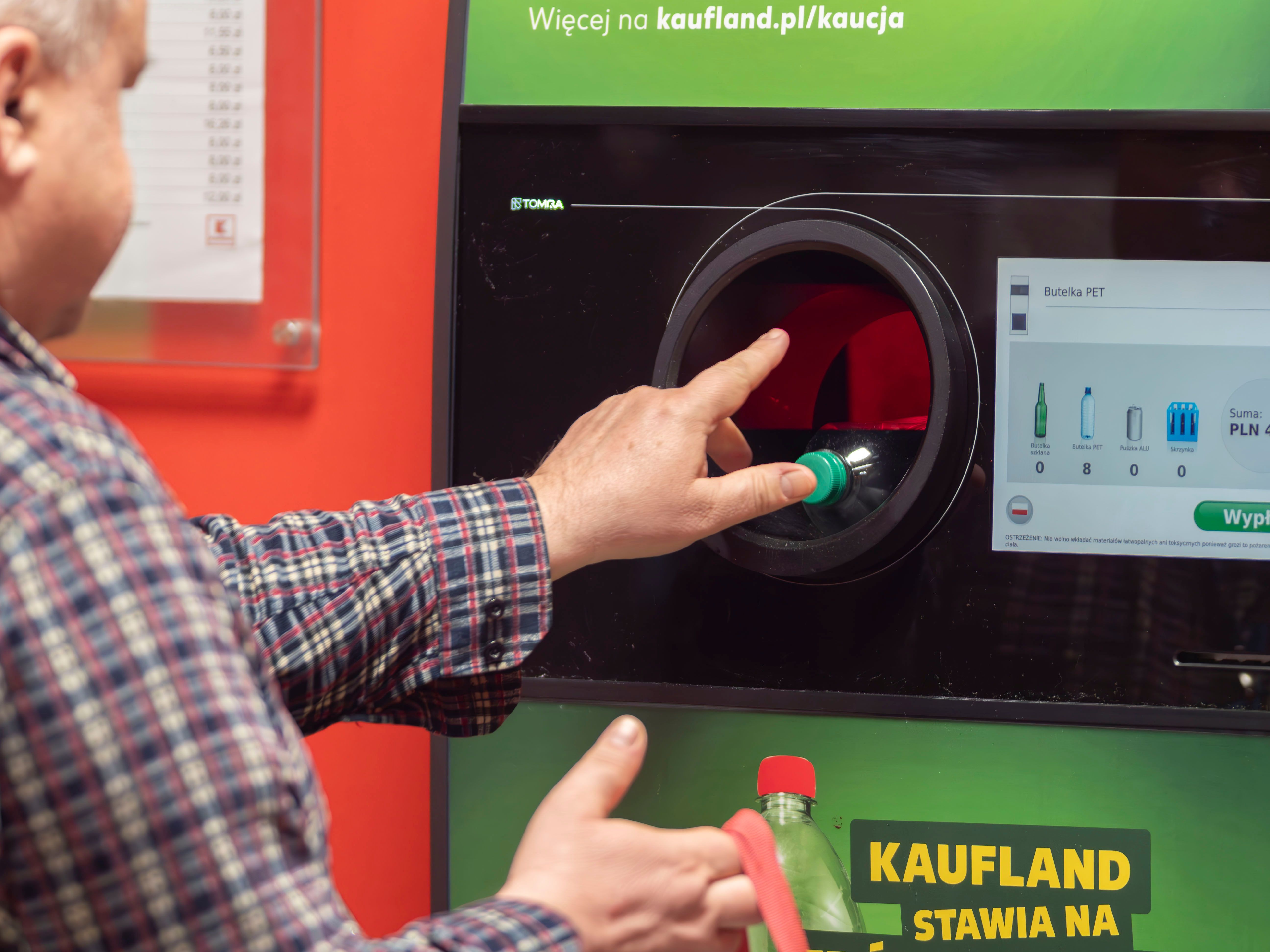
Supermarkets, grocery stores, convenience stores and newsagents will also need to host a manual or automated return point unless exempt. They must register, refund deposits, store returned containers and explain the scheme clearly to customers.
Some smaller retailers may qualify for exemptions based on sales area, nearby alternative provision or practical difficulties relating to their premises. Businesses should check the full criteria rather than assume an exemption applies.
Exchange for Change is making £60 million available to help up to 10,000 qualifying independent retailers install reverse vending machines. Grants of £6,000 per site will be paid in three annual instalments of £2,000. Retailers should wait for certified machine information and check the official specifications before choosing equipment.
Five steps to take now
-
Confirm which products and packaging formats are included
-
Give one person responsibility for coordinating DRS preparations
-
Review barcode, artwork, printing and production lead times
-
Speak to suppliers, retailers and technology providers
-
Follow the latest Exchange for Change guidance as details develop
Starting now will give independent businesses time to manage costs, coordinate changes and avoid rushed decisions closer to launch.
Read the original article from GS1 UK and consult the government guidance for England and Northern Ireland for further details.
)
)
)
)
)
)
)
)
)
)
)
)
)
)
)
)
)
)