)
)
Fishy business: How tinned seafood is proving it’s more than a passing trend
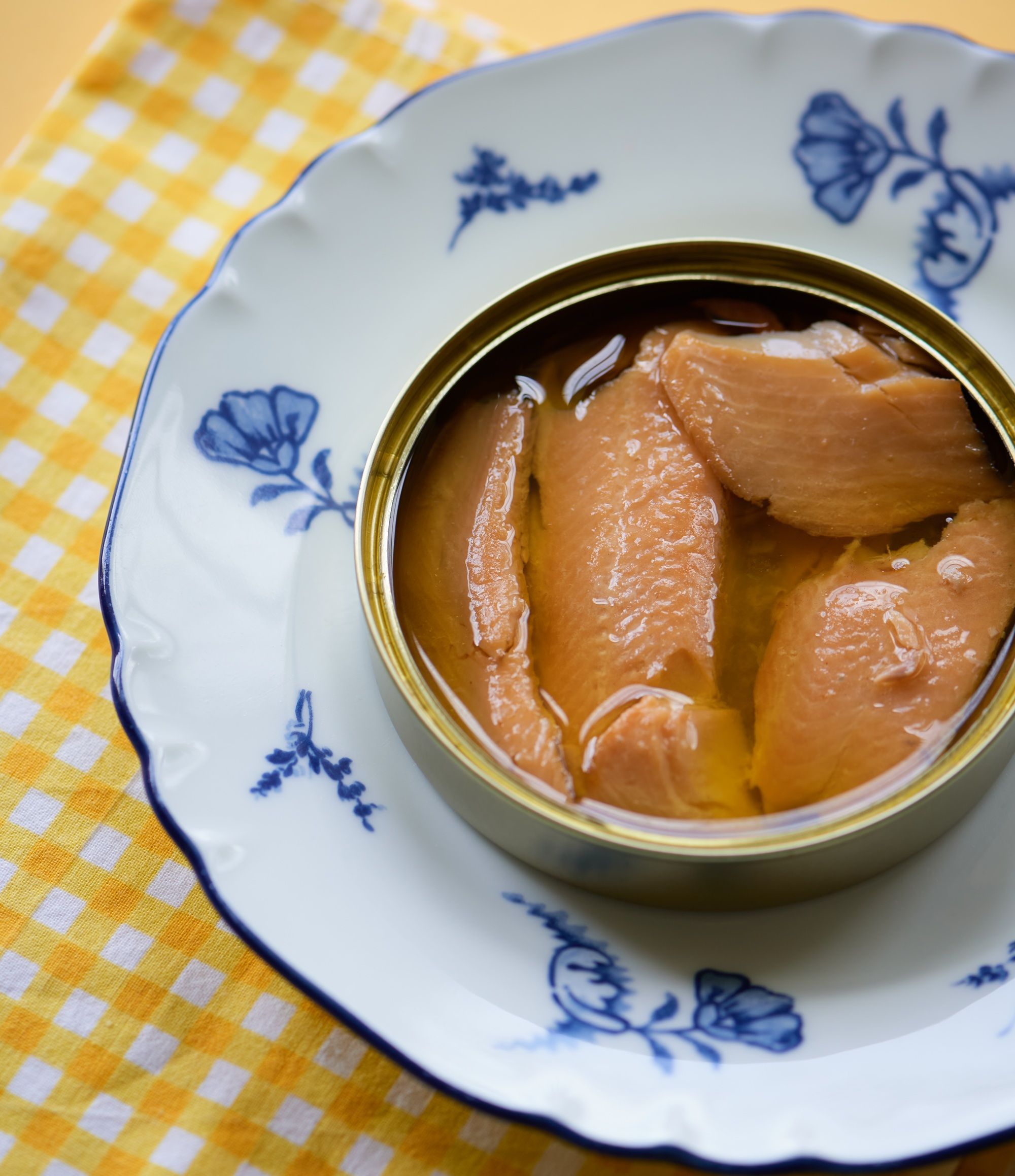
A few years ago, tinned fish became one of social media’s unlikeliest food obsessions. Sardine toast, tuna rice bowls and carefully curated “seacuterie boards” flooded TikTok and Instagram as younger consumers rediscovered a category long associated with practicality rather than aspiration.
But while the initial online frenzy may have peaked in the early 2020s, the fish business is now seeing signs that the trend has evolved into something far more commercially significant.
Tesco recently revealed that sales of tinned tuna have risen by nearly 18% over the past two years, equivalent to an additional 2.25 million kilograms sold, with younger consumers helping drive demand. The retailer linked the increase to protein-focused diets, convenience and the growing popularity of tinned fish content online.
What makes the category particularly interesting in 2026, however, is not simply that canned seafood remains popular, but that it is increasingly moving away from purely budget positioning and into premium territory.
Once defined almost entirely by affordability and shelf life, tinned seafood is now being repositioned around quality, provenance, sustainability and culinary experience. In supermarkets, delicatessens and foodservice venues, consumers are being encouraged to trade up from standard own-label tuna towards premium conservas products with higher price points, distinctive branding and restaurant-style positioning.
Charlotte Dawe, co-founder of Sea Sisters British Conservas, believes the category's appeal sits at the intersection of convenience, health and provenance.
“Canned fish ticks all the boxes for busy, health-conscious consumers who are looking for a quick and easy way to prepare food at home or on the go," she says. "At Sea Sisters we’ve also found that sustainably caught British fish and seafood, prepared like ours with high-quality ingredients, appeals to the growing number of consumers who care about food provenance and are willing to spend more for the reassurance that buying local, ethically sourced products provides.”
That shift mirrors developments elsewhere in ambient grocery. Brands such as Bold Bean Co have successfully reframed beans and legumes from low-cost cupboard staples into premium ingredient-led products by emphasising sourcing, flavour and versatility. Parts of the canned seafood sector are now attempting a similar transformation.
The result is a category that increasingly occupies two positions at once: value staple and affordable luxury.
At the premium end of the market, some conservas products are now retailing for more than £10 per tin, with retailers such as Marks & Spencer and Waitrose stocking imported sardines, anchovies and speciality tuna products positioned more like gourmet deli items than everyday convenience food.
Social media may have helped introduce younger shoppers to the category, but broader consumer trends are helping sustain its momentum. Protein remains one of the most influential themes in food and drink, while shoppers continue to seek convenient, nutrient-dense foods that fit into busy lifestyles.
Tinned seafood aligns neatly with those demands. Tuna, sardines, salmon and mackerel offer relatively affordable protein sources with long shelf lives, while oily fish products also benefit from strong health associations linked to omega-3 content.
The category is also benefiting from wider shifts in how consumers view pantry staples. Increasingly, shoppers appear willing to spend more on everyday products if brands can successfully communicate superior quality, sustainability or health benefits. Similar dynamics have already reshaped categories including coffee, olive oil and hot sauces.
Industry bodies are also helping reposition canned seafood as a more versatile and aspirational product category. Canned Food UK recently described canned fish as moving from “cupboard staple to culinary trend”, highlighting chef-created recipes and the growing popularity of gourmet canned seafood options.
That repositioning is becoming increasingly visible in foodservice. Tinned fish is appearing more frequently on wine bar menus, sharing boards and Mediterranean-inspired small plates, while chefs are using higher-end conservas products as curated ingredients rather than purely functional pantry items.
Sustainability is also playing a growing role in the category’s evolution. Tesco recently confirmed that all tuna products sold through Tesco and Booker now carry the Marine Stewardship Council ecolabel, meaning they are sourced from MSC-certified fisheries.
For younger consumers in particular, sustainability credentials are becoming an increasingly important purchasing factor, especially within seafood categories that have historically faced scrutiny around sourcing and traceability.
The challenge for suppliers and retailers now is ensuring the category’s momentum can continue beyond its initial viral appeal. While TikTok helped make canned seafood culturally relevant again, long-term growth is likely to depend on whether brands can continue building a compelling premium narrative around quality, wellness, sustainability and versatility.
If current retail trends are anything to go by, canned seafood’s resurgence may no longer be viewed as a short-lived food fad. Instead, it increasingly looks like part of a broader reappraisal of ambient grocery — one in which consumers are rediscovering pantry staples and becoming more willing to pay extra for elevated versions of familiar products.
)
)
)
)
)